
2025 delivered over $1 billion in seven-figure car sales, with a dramatic shift toward 1980s-2000s models. Here's what collectors need to know for 2026.
The collector car market in 2025 defied expectations. Despite economic uncertainties, seven-figure cars moved in record numbers, and a generational shift fundamentally altered which vehicles command premium prices. As we look to 2026, understanding these trends is essential for collectors and enthusiasts alike.
A Billion-Dollar Year
The numbers tell a remarkable story. Over $1 billion in vehicles sold for seven figures or more across major auction houses and private sales in 2025. A 1962 Ferrari 250 GTO changed hands privately for $52 million, multiple McLaren F1s exceeded $20 million, and the first Porsche 959 broke $3 million at auction. Strong performance across all major Ferrari models confirmed that the blue-chip market remains robust.
Yet these headline numbers only tell part of the story. The real transformation happened in the segments below, where a new generation of collectors is reshaping what it means to own a significant automobile.
The Rise of Modern Classics
The most significant shift in 2025 was the dramatic rise of vehicles from the 1980s through early 2000s. These cars, now eligible for import under the 25-year rule in Canada and the United States, attracted a new generation of collectors who grew up with these vehicles as their poster cars. Unlike previous generations who dreamed of muscle cars and European sports cars from the 1960s, today's emerging collectors want the cars they played with in video games and saw in movies as teenagers.
Japanese sports cars led this charge with remarkable appreciation. Premium examples of the Nissan Skyline GT-R R34 now exceed $500,000, while clean Toyota Supra MK4s regularly surpass $200,000. The Honda NSX has approached $300,000 for low-mileage examples, and pristine Mazda RX-7 FDs are breaking $100,000. These aren't anomalies—they represent a fundamental shift in collector priorities.
European performance cars from the era have followed a similar trajectory. The BMW E30 M3 Sport Evolution has exceeded $200,000, while the Mercedes 190E 2.5-16 Evolution II has reached $400,000 for top examples. The Porsche 993 GT2 now regularly exceeds $2 million, cementing its status as one of the most desirable air-cooled Porsches ever built.
Understanding the Shift
This transformation reflects more than nostalgia. The collectors entering the market now are often successful entrepreneurs and executives in their 40s and 50s who have the means to acquire the cars they couldn't afford in their youth. They bring different values to collecting—they're less interested in static display and more focused on driving experiences, they're comfortable with online transactions, and they care deeply about authenticity and documentation.
These collectors also understand these cars in a way previous generations couldn't understand muscle cars. They know the specifications, the production numbers, the significant variants, and the cultural context. This knowledge creates a more sophisticated market with clearer pricing for different conditions and specifications.
Challenges for Traditional Categories
While modern classics soared, traditional American muscle cars showed concerning softness. The average age of collectors for 1960s muscle cars continues to rise, and younger buyers aren't replacing them at the same rate. Lower sell-through rates at major auctions, longer time-on-market for private sales, and price stagnation for mid-tier examples all point to a market facing demographic headwinds.
This doesn't mean muscle cars are poor investments—premium examples of historically significant vehicles will always find buyers. A numbers-matching Hemi 'Cuda or Boss 429 Mustang will continue to appreciate. But the broader market for average-condition cars faces challenges as the collector base ages and isn't replenished by younger enthusiasts.
The Digital Transformation
For the first time in 2025, online auction platforms surpassed traditional live auctions in total sales volume. Platforms like Bring a Trailer and Cars and Bids have fundamentally changed how collector cars trade hands, offering global reach, extended bidding periods for thorough research, lower fees, transparent pricing history, and convenience for both buyers and sellers.
For sellers, this shift means professional photography and comprehensive documentation are more important than ever. A well-documented car with quality images will consistently outperform a similar vehicle with sparse presentation. For buyers, online platforms offer access to vehicles that might never appear at local auctions, opening possibilities that didn't exist a decade ago.
Strategies for 2026
Based on current market dynamics, collectors should consider Japanese sports cars approaching 25-year import eligibility, manual transmission variants of any modern performance car, low-production special editions from established brands, and documentation-complete examples of significant models. The Porsche 996 GT3 and GT2 remain undervalued relative to 997 and 991 variants and represent potential opportunities.
Blue-chip Ferraris, air-cooled Porsches, and premium muscle cars with exceptional provenance should be held—prices have stabilized but aren't declining for top examples. Modern hypercars are too early to trade with any confidence about direction.
Caution is warranted for mid-tier muscle cars without exceptional provenance, high-mileage exotics without maintenance records, modified vehicles unless the work was done by renowned specialists, and cars with unclear ownership history.
The Experience Economy
A notable trend among younger collectors is the preference for experiences over static display. Cars that can be driven, tracked, and enjoyed often command premiums over garage queens. This shift favors track-capable vehicles, cars with accessible parts and service, models with active owner communities, and vehicles appropriate for rallies and tours.
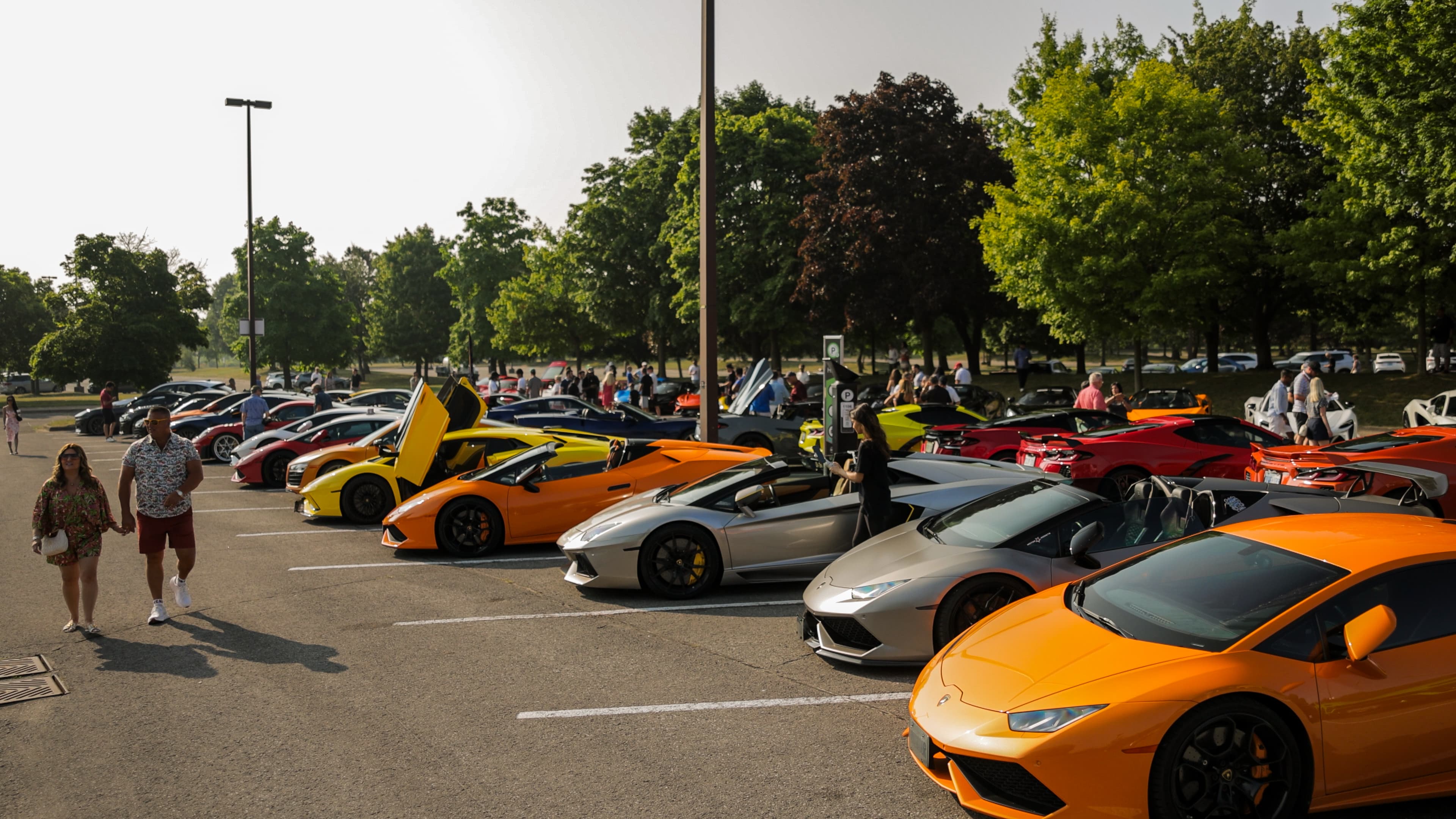
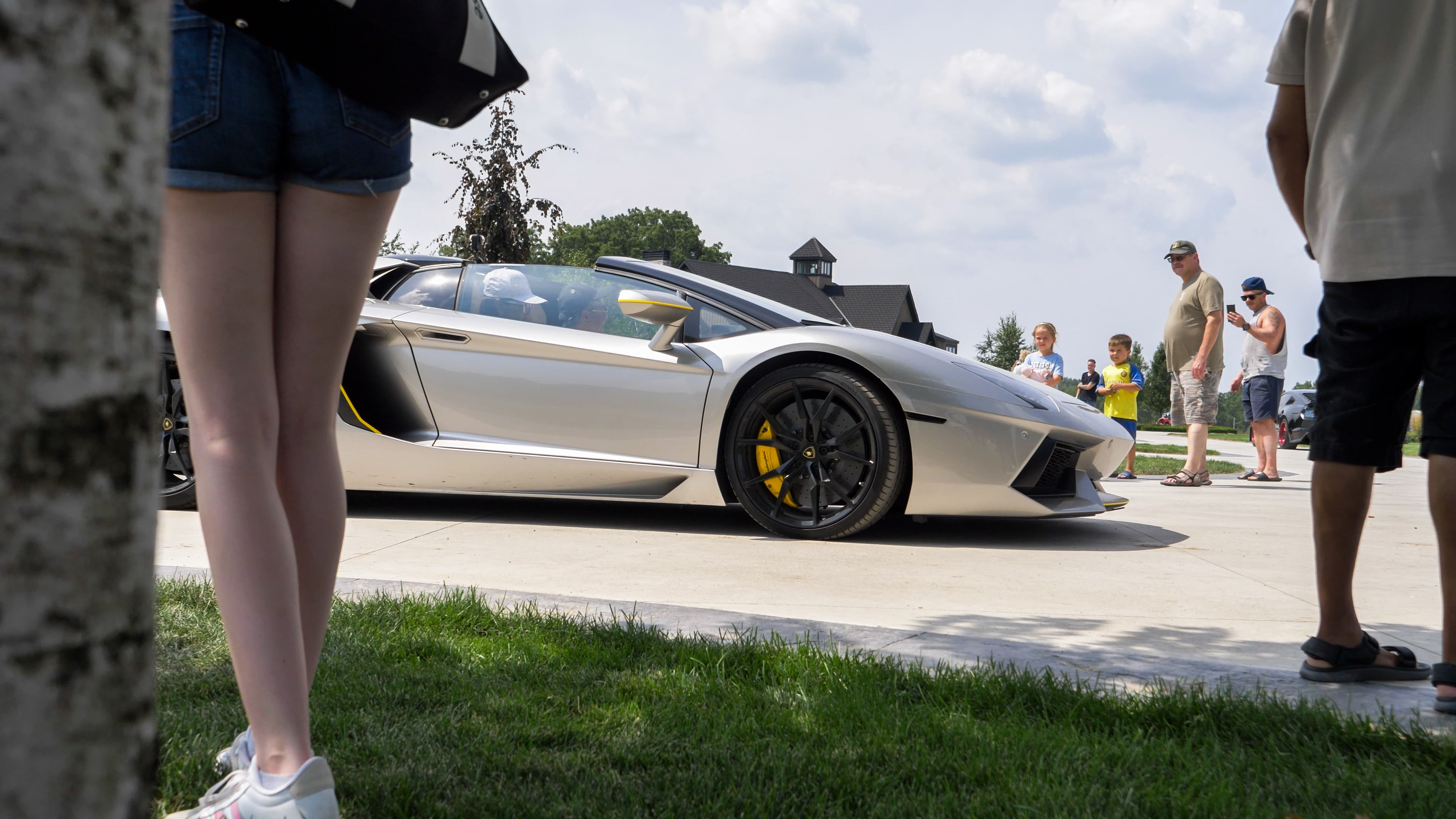
Events like Niagara 5000 reflect this shift perfectly—our participants want to drive their collections, not just admire them. This experiential focus should inform purchase decisions for anyone building a collection with an eye toward both enjoyment and investment.
Looking Forward
The collector car market in 2026 will likely see continued strength in modern classics, growing interest in 1990s and 2000s vehicles as they mature, increased online auction dominance, more sophisticated authentication and documentation standards, and younger collectors entering at various price points. The market is evolving, but for serious collectors, 2026 offers opportunities across multiple segments for those who focus on quality, provenance, and personal connection.
Niagara 5000 brings together collectors from across North America each September. Join us in 2026 to connect with fellow enthusiasts and experience some of the finest collector cars in the world.
Share this article